

In 2026, the laptop market has reached a point where almost every mid-range device has a decent processor and enough RAM for daily tasks. However, the real differentiator in today’s world isn’t just what’s inside the machine, but how well the machine is built to last. With repair costs rising and the environmental impact of “disposable tech” becoming a global concern, consumers are now prioritizing Build Quality and Long-term Reliability over raw benchmarks.
Whether you are a student at Qurtaba University, a professional software developer, or a crypto trader, your laptop is your primary tool. If the hinge snaps or the chassis flexes, your $1000 investment can turn into junk in seconds. In this comprehensive guide, we rank the top laptop brands of 2026 based on their structural integrity, material innovation, and real-world durability.
1. The Science of Build Quality: Materials in 2026
Before we rank the brands, we must understand the materials that define “Premium Build” in 2026. Gone are the days when “Metal vs. Plastic” was the only debate.
A. Carbon Fiber (The Gold Standard)
Carbon fiber is no longer just for spacecraft. In 2026, brands like Lenovo have perfected “Biological Carbon Fiber,” which is 40% lighter than aluminum but significantly stronger. It doesn’t dent, it doesn’t crack, and it handles heat better than almost any other material.
B. CNC Aluminum Unibody
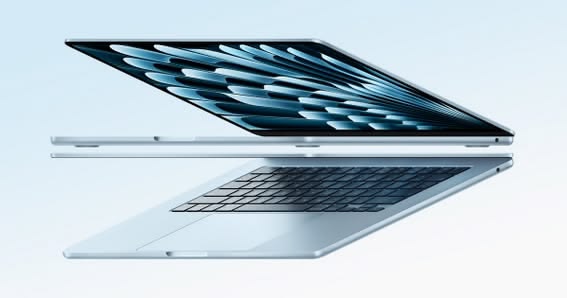
Apple’s signature style remains a top contender. CNC (Computer Numerical Control) milling means the entire laptop frame is carved from a single block of aerospace-grade aluminum. This creates a “Unibody” structure that resists flexing and protects internal components like the motherboard from pressure.
C. Ceraluminum and Magnesium Alloys
Asus has introduced “Ceraluminum”—a hybrid of ceramic and aluminum that is scratch-resistant and incredibly light. Magnesium alloys are also popular in “Thin and Light” laptops (Ultrabooks) because they provide a metallic feel without the weight of pure aluminum.
2. Brand Rankings 2026: Who Builds the Best Laptops?
Rank #1: Lenovo (The King of Durability)
Lenovo continues to dominate the reliability charts in 2026, primarily due to its ThinkPad lineup.
- The ThinkPad Legacy: The ThinkPad X1 Carbon Gen 14 remains the most durable business laptop ever made. It undergoes MIL-STD 810H (Military Grade) testing, meaning it can survive extreme temperatures, sandstorms, and even drops from desk height.
- Keyboard & Spills: Lenovo’s spill-resistant keyboards are a lifesaver for students and office workers. The internal drainage system ensures that a coffee spill doesn’t reach the motherboard.
- Repairability: Lenovo has led the “Right to Repair” movement, making it easy for users to swap batteries and SSDs without voiding warranties.
Rank #2: Apple (The Master of Precision)
Apple’s MacBook lineup (Air and Pro) is the benchmark for structural rigidity. In 2026, the MacBook Neo and M4 MacBook Air have set new records for longevity.
- Zero Flex: Because of the aluminum unibody, there is zero keyboard flex or screen wobbling.
- Hinge Longevity: Apple’s hinges are engineered to last over 100,000 opens and closes without becoming loose.
- Resale Value: Because the build quality is so high, a 5-year-old MacBook in 2026 still looks and feels like new, giving it the highest resale value in the market.
Rank #3: Dell (The Professional’s Choice)
Dell has bifurcated its market perfectly. While the Inspiron series is budget-friendly, the XPS and Latitude series are built like tanks.
- Dell XPS 16 Premium: Using a combination of machined aluminum and carbon fiber palm rests, the XPS series feels incredibly dense and premium.
- Latitude Series: For those in harsh working environments, the Dell Latitude 7000 series is built for 24/7 usage with reinforced corners and toughened glass.
- Support: Dell’s ProSupport in 2026 remains the best in the industry, often providing next-day on-site repairs.
Rank #4: HP (The King of Aesthetics and Value)
HP has made massive strides in 2026 with its OmniBook and Spectre series.
- Forge-Stamping: HP uses a unique “Forge-Stamping” process for its metal bodies. By heating and folding the metal, they make the chassis 20% stronger than standard cast-aluminum.
- EliteBook Reliability: Much like the ThinkPad, the HP EliteBook is designed for the corporate world, featuring easy-to-clean surfaces and highly durable ports that don’t get loose over time.
3. Key Components of Reliability
When checking a laptop’s build quality at a store (or online reviews), look for these four specific areas:
1. The “Lid Test”
Can you open the laptop with one finger? A well-balanced hinge is a sign of great engineering. If the base lifts up when you try to open the lid, the weight distribution and hinge tension are poorly designed.
2. Port Durability
In 2026, USB-C is the primary port for charging and data. Cheap laptops often have ports soldered poorly to the motherboard. Premium brands like Dell and Lenovo use Reinforced Metal Brackets around the ports to ensure they don’t break after thousands of plug-ins.
3. Thermal Management
Heat is the silent killer of laptops. A laptop with poor build quality will have “hot spots” on the keyboard. Look for laptops with dual-fan systems and vapor chamber cooling. If a laptop runs too hot, its internal components (especially the battery and SSD) will degrade much faster.
4. The Trackpad and Keyboard
A glass trackpad is always superior to plastic. Plastic trackpads wear down over time, becoming “shiny” and less responsive. Similarly, look for keys with at least 1.3mm to 1.5mm of travel. This prevents you from “bottoming out,” which can cause finger pain and keyboard failure over time.
4. Why Reliability Matters for Your Career (CS Perspective)
As a Computer Science Graduate, you know that “downtime” is the enemy of productivity. If you are halfway through a Python automation script or a cybersecurity audit and your laptop’s Wi-Fi card fails due to poor internal shielding, you lose hours of work.
Investing in a “Business Class” laptop (ThinkPad, Latitude, or MacBook) might cost $200 more upfront, but it lasts 5-7 years, whereas a “Consumer Class” laptop (Plastic bodies) often starts falling apart after 2 years.
5. Summary: Which Brand Should You Buy?
| User Type | Recommended Brand | Why? |
| CS Students / Coders | Lenovo ThinkPad | Best keyboard and military-grade toughness. |
| Content Creators | Apple MacBook Pro | Unmatched screen quality and unibody rigidity. |
| Business Professionals | Dell Latitude | Enterprise-grade security and sturdy ports. |
| Budget Conscious | HP Pavilion Plus | Best metal-to-price ratio in the mid-range. |
Final Thoughts for laptoptech.online Readers
Build quality is no longer a luxury—it is a survival feature for your digital life. In 2026, don’t just buy a laptop for its “i7 Processor” or “32GB RAM.” Look at the chassis, feel the hinge, and check the materials. A laptop that survives a fall or a spill is worth more than a fast laptop that breaks in six months.