In today’s digital world, screen resolution plays a major role in how websites, games, applications, videos, and images appear on different devices. Whether you are using a laptop, smartphone, gaming monitor, tablet, or smart TV, your screen resolution directly affects visual quality, sharpness, productivity, and overall user experience.
As technology continues evolving in 2026, modern devices now come with different display sizes, aspect ratios, pixel densities, refresh rates, and scaling systems. Because of this, developers, designers, gamers, bloggers, and everyday users need accurate tools to check and analyze screen resolution information.
A Free Screen Resolution Tool helps users instantly detect display dimensions, viewport size, pixel ratio, screen width, screen height, and DPI directly from a browser without downloading any software.
This complete guide explains everything about screen resolution tools, why they are important, how they work, and how users can benefit from them in daily digital activities.
What is a Screen Resolution Tool?
A Screen Resolution Tool is an online utility that detects and displays information about a device’s screen.
These tools usually show:
- Screen width
- Screen height
- Browser viewport size
- Device pixel ratio
- Screen orientation
- DPI or PPI information
Most tools work instantly through web browsers.
Why Screen Resolution Matters
Screen resolution affects how content appears on a device.
Higher resolutions provide:
- Sharper images
- Better text clarity
- Improved gaming visuals
- More workspace
- Better video quality
Incorrect resolution settings can make displays look blurry or stretched.
Understanding Screen Resolution
Screen resolution refers to the total number of pixels displayed on a screen.
It is written as:
Width × Height
Examples:
- 1366 × 768
- 1920 × 1080
- 2560 × 1440
- 3840 × 2160
More pixels generally mean better image quality.
What Are Pixels?
Pixels are tiny dots that form digital images and text.
Every screen contains millions of pixels working together to create visuals.
Higher pixel counts improve:
- Sharpness
- Detail
- Clarity
Modern displays use advanced pixel technologies for better visual experiences.
Common Screen Resolutions
HD (720p)
Resolution:
- 1280 × 720
Mostly found in budget devices and older systems.
Full HD (1080p)
Resolution:
- 1920 × 1080
One of the most widely used resolutions worldwide.
Ideal for:
- Gaming
- Streaming
- Office work
- Browsing
2K (1440p)
Resolution:
- 2560 × 1440
Popular among gamers and content creators.
4K Ultra HD
Resolution:
- 3840 × 2160
Provides extremely detailed and sharp visuals.
Used for:
- Video editing
- Professional design
- High-end gaming
8K Resolution
Resolution:
- 7680 × 4320
Offers ultra-high detail but requires powerful hardware.
What is Device Pixel Ratio?
Device Pixel Ratio (DPR) measures the relationship between physical pixels and CSS pixels.
Example:
- DPR 2 means 1 CSS pixel equals 2 physical pixels.
High DPR displays provide:
- Sharper graphics
- Better text quality
- Improved responsiveness
Modern smartphones usually have high DPR values.
What is DPI?
DPI stands for Dots Per Inch.
It measures display density and sharpness.
Higher DPI displays offer:
- Better image quality
- Clearer text
- Sharper visuals
High-DPI screens are common in premium laptops and smartphones.
What is PPI?
PPI means Pixels Per Inch.
It is closely related to DPI.
Higher PPI displays appear more detailed and smooth.
Smartphones generally have much higher PPI than monitors.
Why Use a Free Screen Resolution Tool?
A screen resolution tool helps users:
- Detect display size
- Test responsive websites
- Troubleshoot display problems
- Analyze screen compatibility
- Improve UI/UX testing
These tools are useful for both beginners and professionals.
Benefits for Web Developers
Web developers use resolution tools to test responsive websites.
Benefits include:
- Mobile optimization
- Better layout testing
- Cross-device compatibility
- Responsive debugging
Responsive websites improve user experience and SEO rankings.
Benefits for Graphic Designers
Designers need accurate display information.
Resolution tools help with:
- UI design
- Image scaling
- Pixel-perfect layouts
- Multi-device testing
Professional design work depends heavily on screen accuracy.
Benefits for Gamers
Gamers use screen resolution tools to optimize gaming settings.
Higher resolutions improve:
- Texture quality
- Visual sharpness
- Immersion
However, higher resolutions also require stronger GPUs.
Benefits for Content Creators
Video editors and creators rely on accurate displays.
Resolution tools help creators:
- Verify screen scaling
- Improve editing accuracy
- Ensure proper rendering
- Test video resolutions
4K creators especially benefit from high-resolution displays.
Responsive Web Design
Responsive design allows websites to adapt automatically to different screen sizes.
A resolution checker helps developers test websites across:
- Smartphones
- Tablets
- Laptops
- Desktop monitors
Responsive websites perform better on search engines.
Importance of Viewport Size
Viewport refers to the visible browser area on a screen.
Different devices have different viewport sizes.
Viewport testing helps developers improve mobile usability and layout consistency.
Retina Displays
Retina displays use very high pixel density for sharper visuals.
Advantages include:
- Smooth text
- Better graphics
- Reduced visible pixels
Apple popularized Retina display technology.
High DPI Displays in 2026
High-DPI screens are becoming increasingly common.
Advantages include:
- Reduced eye strain
- Better visual quality
- Improved productivity
- Sharper content
Premium devices now commonly feature high-resolution displays.
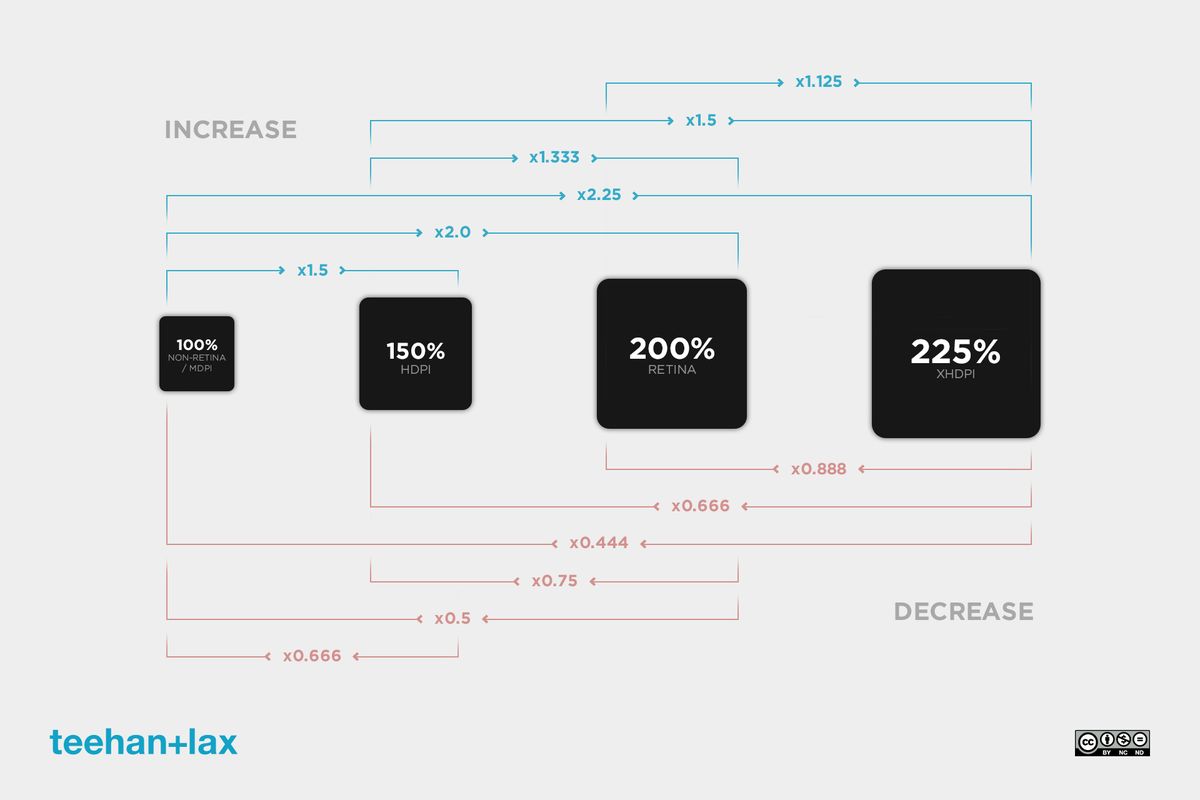
Screen Scaling Explained
Scaling changes the size of interface elements on high-resolution screens.
Common scaling levels:
- 100%
- 125%
- 150%
- 200%
Incorrect scaling may cause blurry text or layout issues.
Common Display Problems
Users often experience problems such as:
- Blurry displays
- Stretched images
- Black bars
- Wrong aspect ratios
- Improper scaling
A screen resolution tool helps diagnose these issues quickly.
Importance of Native Resolution
Native resolution is the original resolution designed for a screen.
Using native resolution provides:
- Maximum sharpness
- Proper scaling
- Better image quality
Non-native resolutions may reduce clarity.
Screen Resolution and Gaming Performance
Resolution greatly affects gaming performance.
Higher resolutions improve graphics but require stronger hardware.
Examples:
1080p Gaming
- Higher FPS
- Lower GPU requirements
1440p Gaming
- Balanced performance and quality
4K Gaming
- Stunning visuals
- Requires powerful graphics cards
Refresh Rate vs Resolution
Refresh rate measures how often a screen updates per second.
Common refresh rates:
- 60Hz
- 120Hz
- 144Hz
- 240Hz
Gamers often balance refresh rate with screen resolution for optimal performance.
Ultrawide Monitors
Ultrawide displays provide larger workspace areas.
Popular ultrawide resolutions:
- 2560 × 1080
- 3440 × 1440
Advantages include:
- Better multitasking
- Immersive gaming
- Improved productivity
Screen Resolution for Office Work
Higher resolutions improve office productivity.
Benefits include:
- More screen space
- Better multitasking
- Improved readability
Many professionals now use dual-monitor or ultrawide setups.
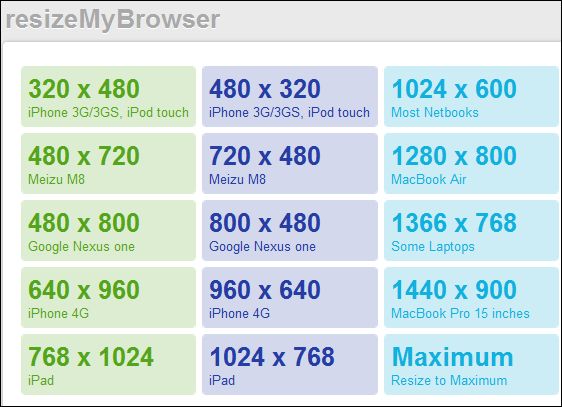
Mobile Screen Resolution Testing
Modern smartphones use many different resolutions.
Examples:
- 1080 × 2400
- 1170 × 2532
- 1440 × 3200
Testing mobile resolutions helps developers optimize websites for mobile users.
SEO Benefits of Responsive Websites
Google prioritizes mobile-friendly websites.
Responsive design improves:
- SEO rankings
- User experience
- Mobile usability
- Page engagement
Screen resolution testing is essential for modern SEO optimization.
Best Uses of a Screen Resolution Tool
A screen resolution tool is useful for:
- Developers
- Designers
- Gamers
- Students
- Bloggers
- Content creators
It helps improve display compatibility and user experience.
AI and Future Display Technology
Modern displays are evolving rapidly with AI integration.
Future technologies include:
- AI-based display optimization
- Foldable screens
- Transparent displays
- Smart scaling systems
- Advanced OLED panels
Display technology continues improving every year.
Importance of Free Online Tools
Free online tools save users time and money.
Advantages include:
- Instant access
- No installation required
- Cross-platform compatibility
- Easy usability
Online resolution tools are now widely used worldwide.
Tips for Better Display Quality
To improve display quality:
- Use native resolution
- Update graphics drivers
- Use correct scaling
- Calibrate colors properly
- Choose high-quality displays
These steps improve visual clarity and performance.
Why Every Website Owner Needs Resolution Testing
Website owners must ensure websites work correctly on all devices.
Resolution testing helps:
- Improve mobile experience
- Reduce layout problems
- Increase engagement
- Improve SEO performance
Responsive websites are essential in 2026.
Future of Screen Resolution Technology
Display technology continues advancing rapidly.
Future trends include:
- 8K mainstream adoption
- OLED improvements
- MicroLED displays
- AI-enhanced visuals
- Better refresh rates
- Smarter scaling systems
Future screens will become sharper, faster, and more efficient.